Our Vineyard
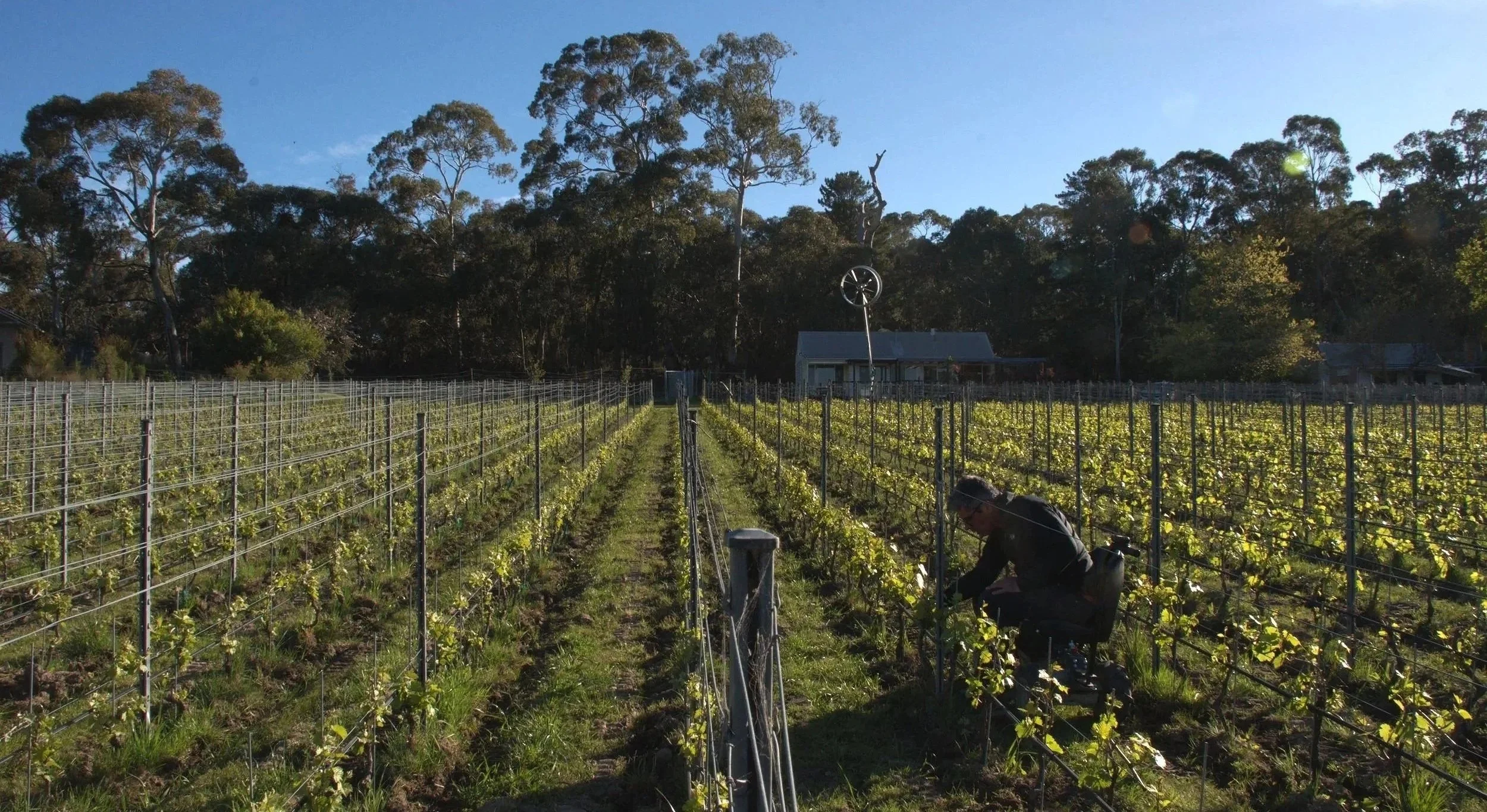
Small scale high - density viticulture
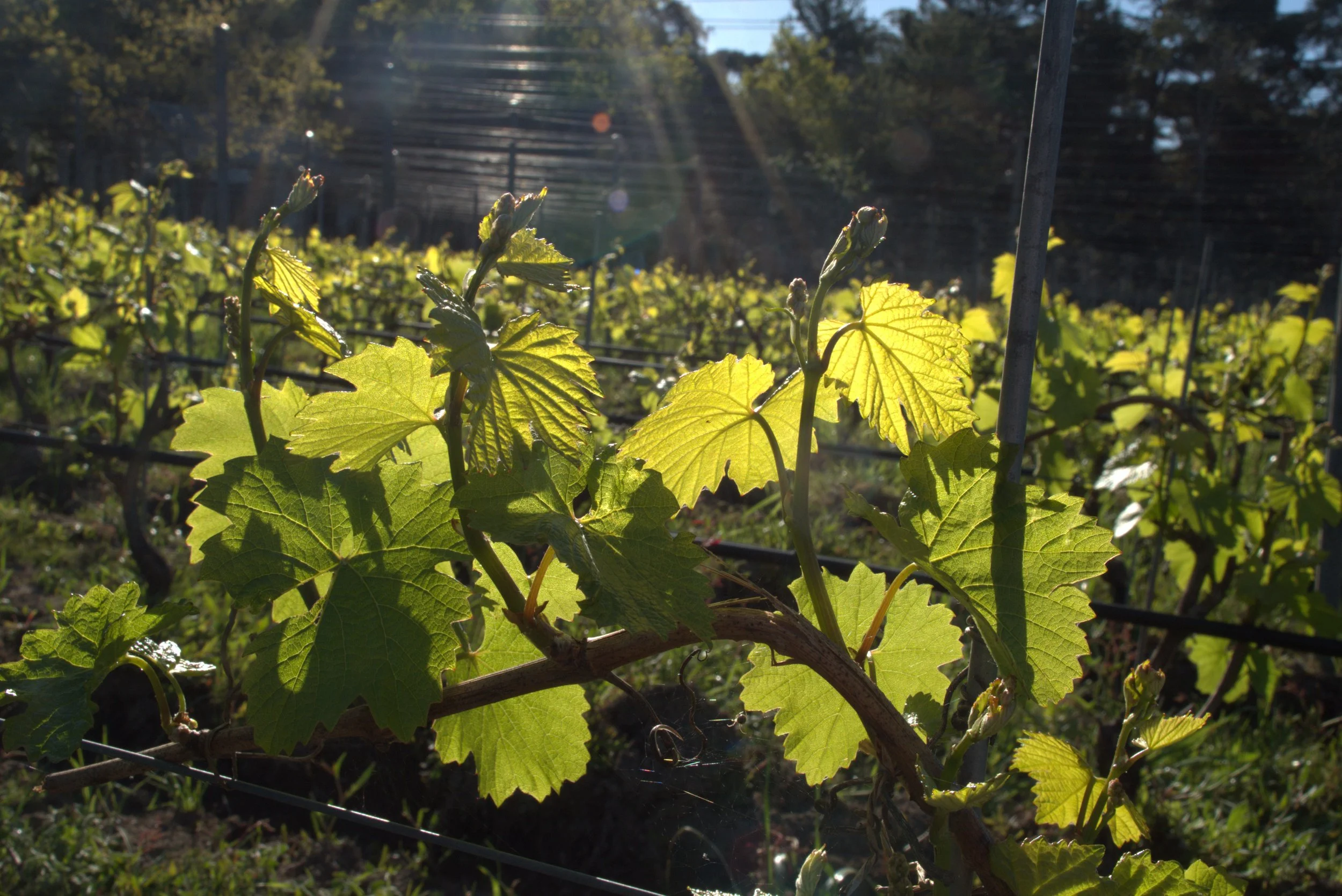
De la Bêche is a very small (0.5 hectare), high density vineyard located in the southwest of the Taradale township, in the Macedon Ranges wine region.
Taradale’s history stretches from the gold rush days back to its geological origins - the Ordovician period (485 million years ago) when it was an ancient seabed, rich in marine life.
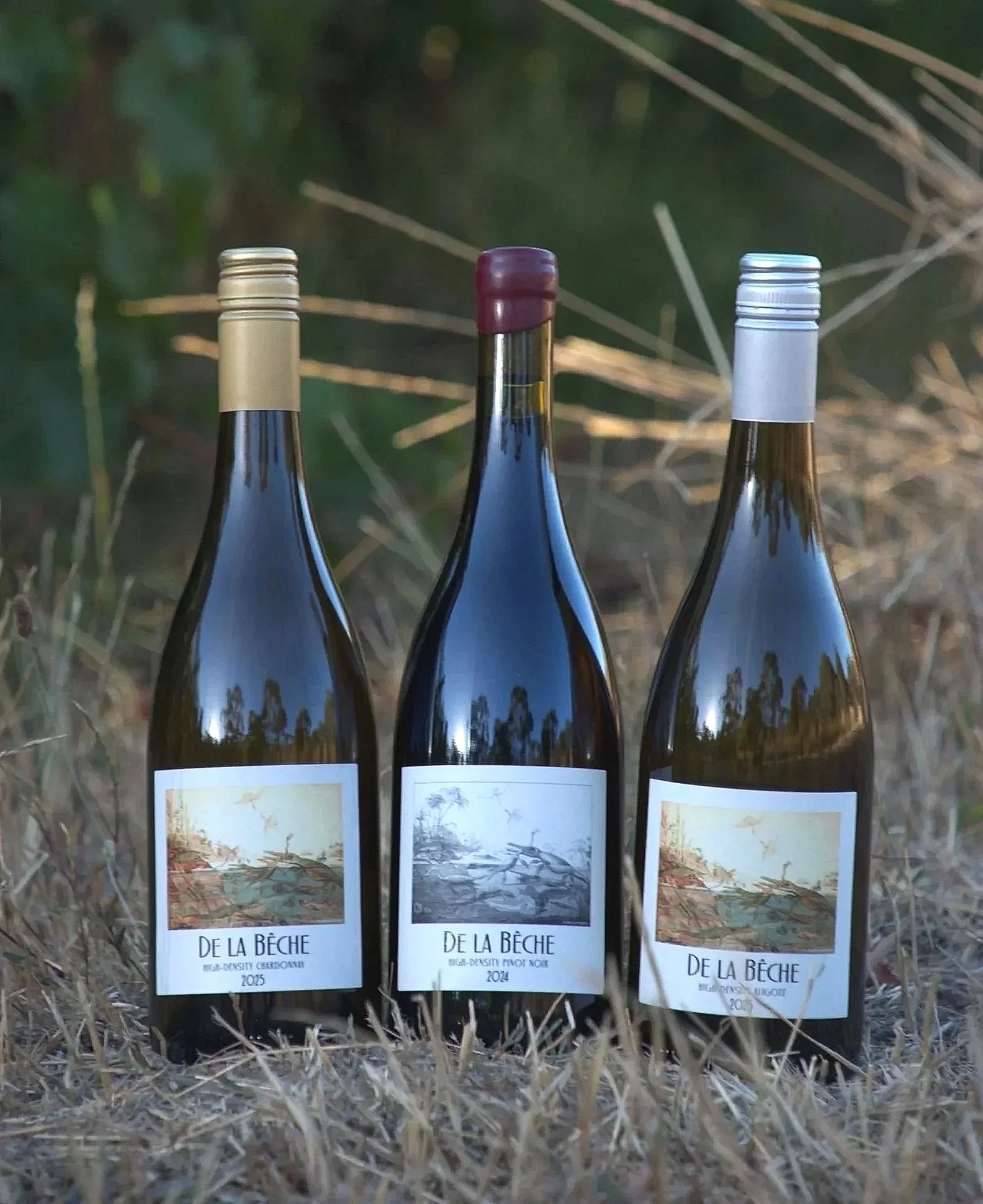
The artwork - Duria Antiquior, by Henry de la Bêche, connects our interest in the geological origins of the land with our grape growing and winemaking.
We are the third and fourth generation farming this land. Our vineyard is planted to Aligoté, Chardonnay, and Pinot Noir, suited to Taradale’s continental climate and elevation.
De la Bêche translates to ‘of the spade’, which symbolises the importance of soil to our wines. The parent material is mudstone, sandstone, ironstone, and quartz, all of which contribute to our wines’ character.
Our Philosophy
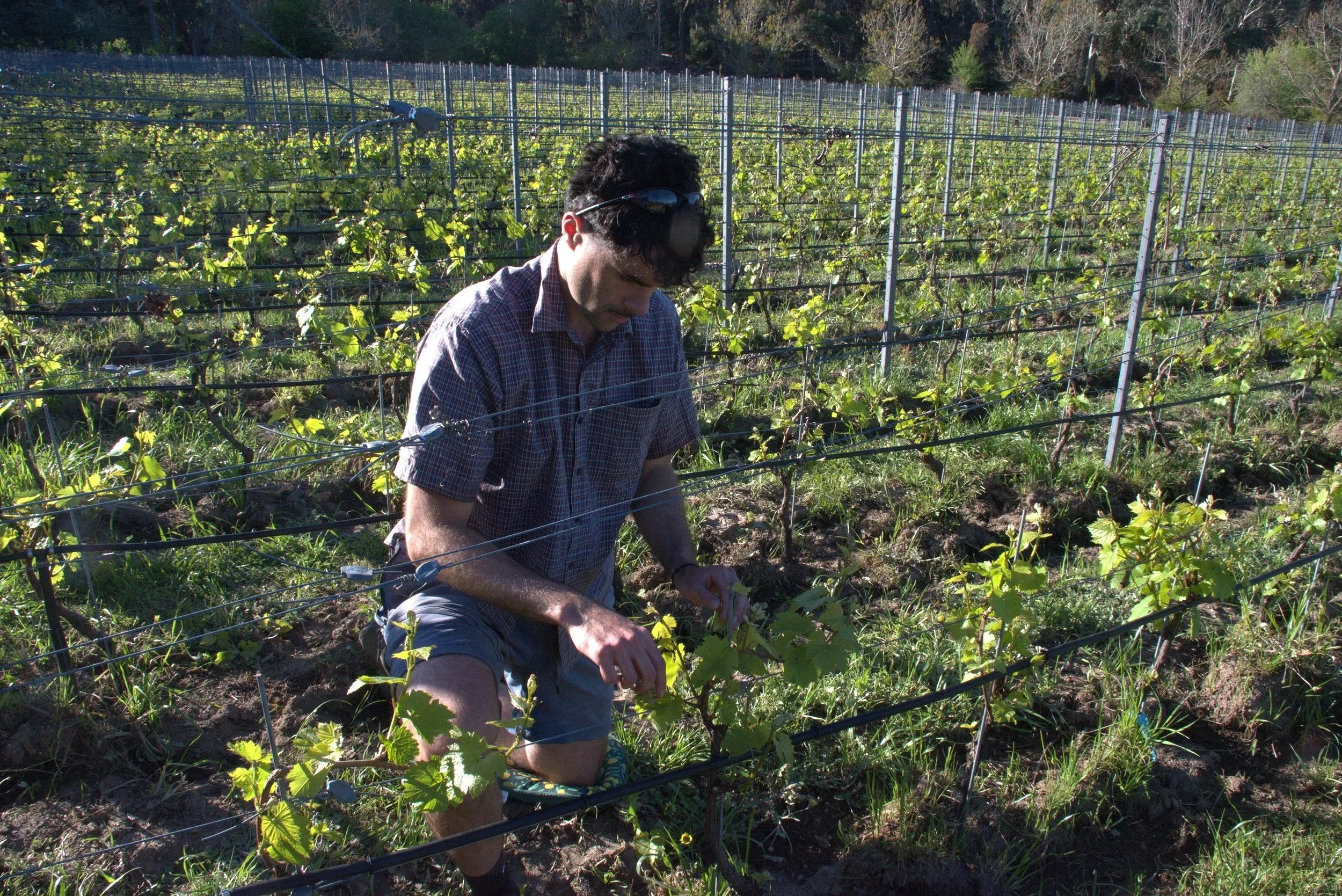
Creating an environment for distinctive wines
De la Bêche’s close planted vines compete with each other for water and nutrients, this naturally reduces the yield per vine by producing smaller berries and bunches, concentrating flavours and tannins leading to more complexity and detail in our wines,
High density planting creates a unique microclimate in the vineyard which provides dappled light, reducing the negative impact of direct heat and sunlight on the canopy and crop.
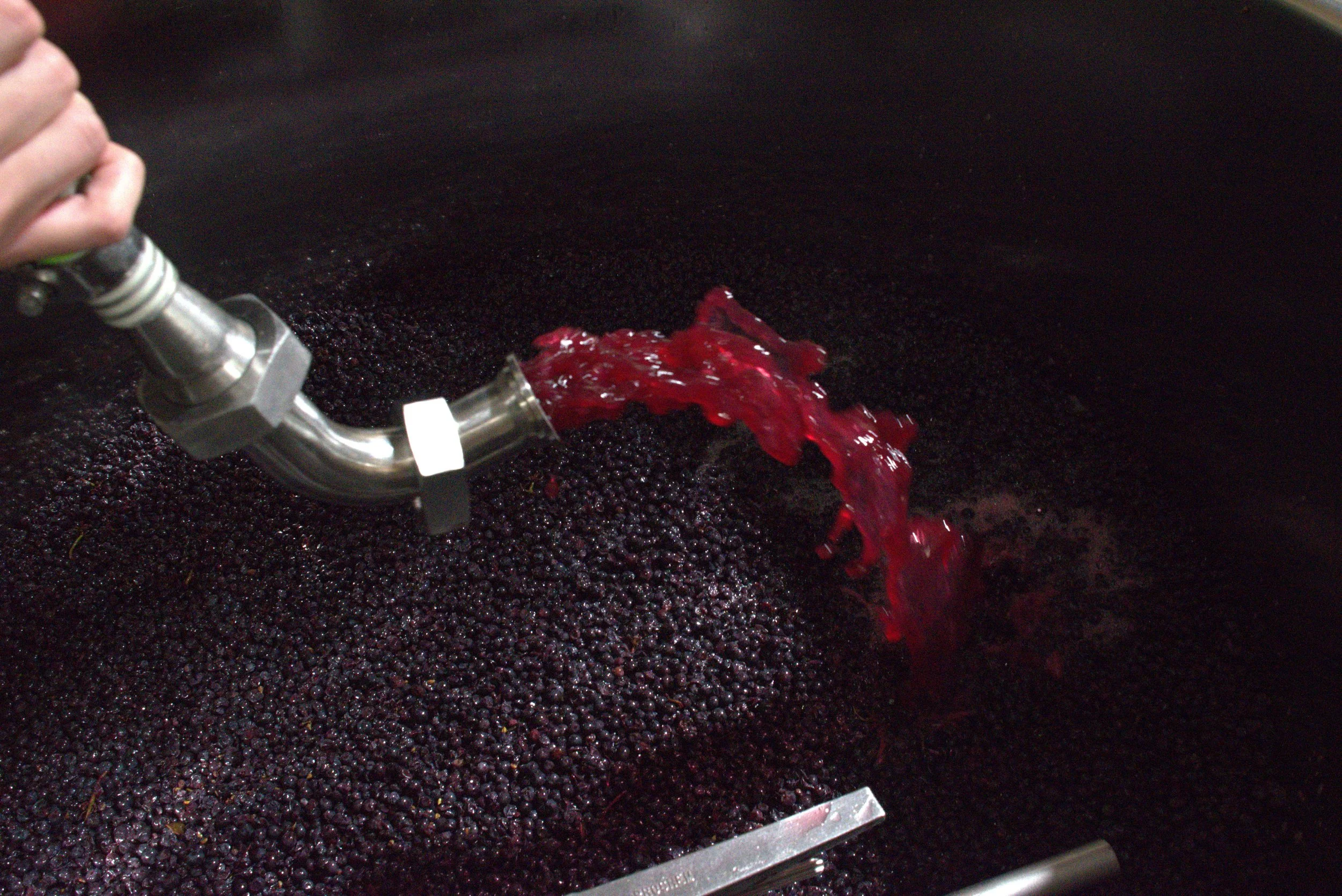
De la Bêche wine is grown using (non-certified) organic principles. Wine making is kept simple using natural yeast for primary and Malo-lactic fermentation. All wines are aged in 228 L barrels and bottled 11 months after harvest, with a light filtration.
Our aim is to produce wines which achieve the best possible expression of our soil, climate and grape-growing practices at Taradale. We are excited to bring you our first releases from De la Bêche.
Our Team
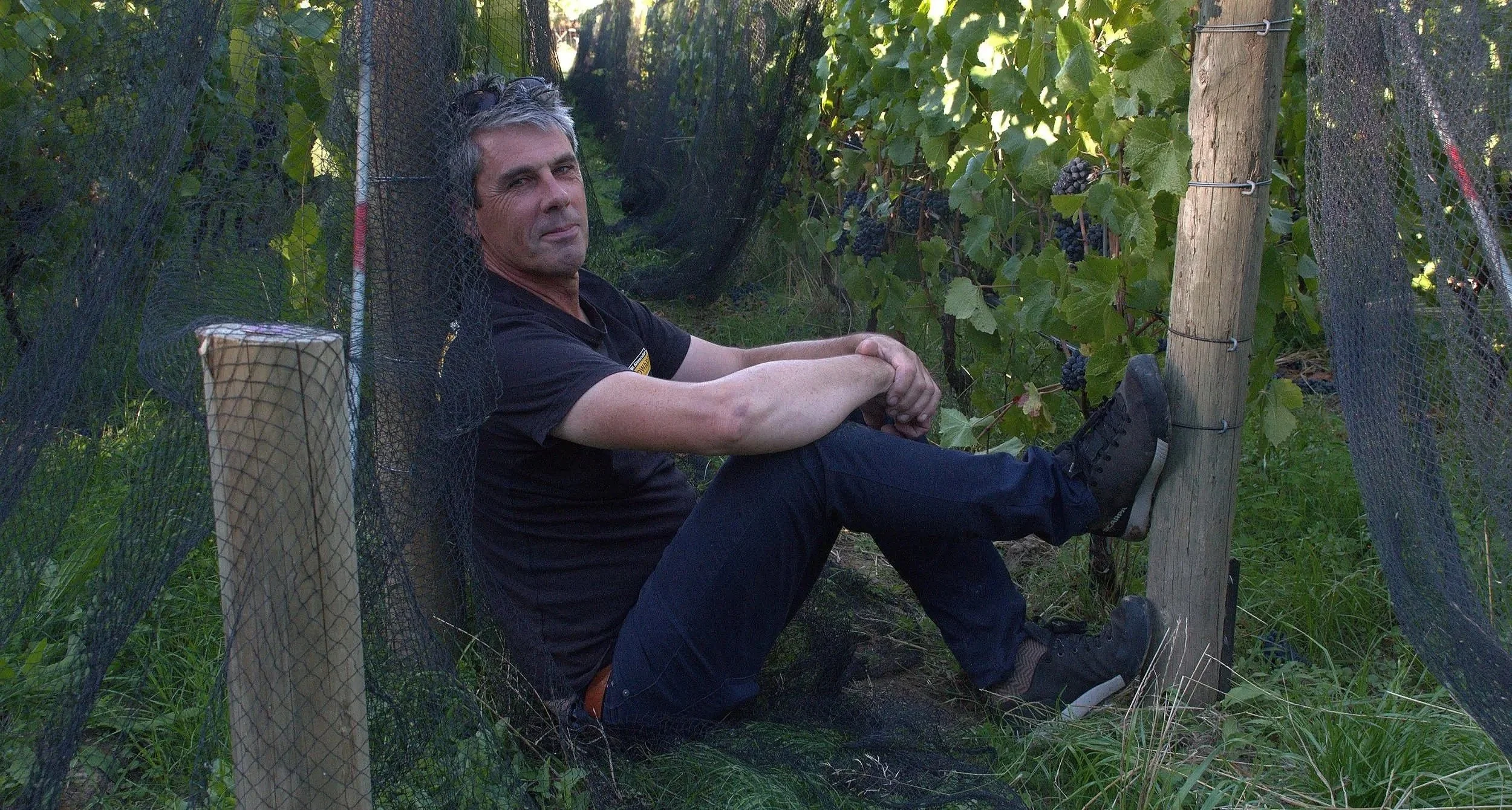
Tim Brown
Tim is the founder and driving force behind De la Bêche. He started his viticulture career in 1990 at the renowned cool-climate vineyard, Virgin Hills, in the Macedon Ranges. Over the next three decades he refined his expertise working with other producers in the Macedon Ranges, and in other prominent cool-climate regions such as Canberra, Yarra Valley, Mornington Peninsula and New Zealand. He also completed two vintages (2024 and 2025) in Burgundy. Tim is an advocate of high density organic viticulture in Victoria, his hands-on approach shapes every aspect of De La Bêche. After taking over from his father David in 2020, Tim and his family, Jo and Remy, have been transforming their small vineyard, with a vision to craft exceptional wines from Taradale’s soil.
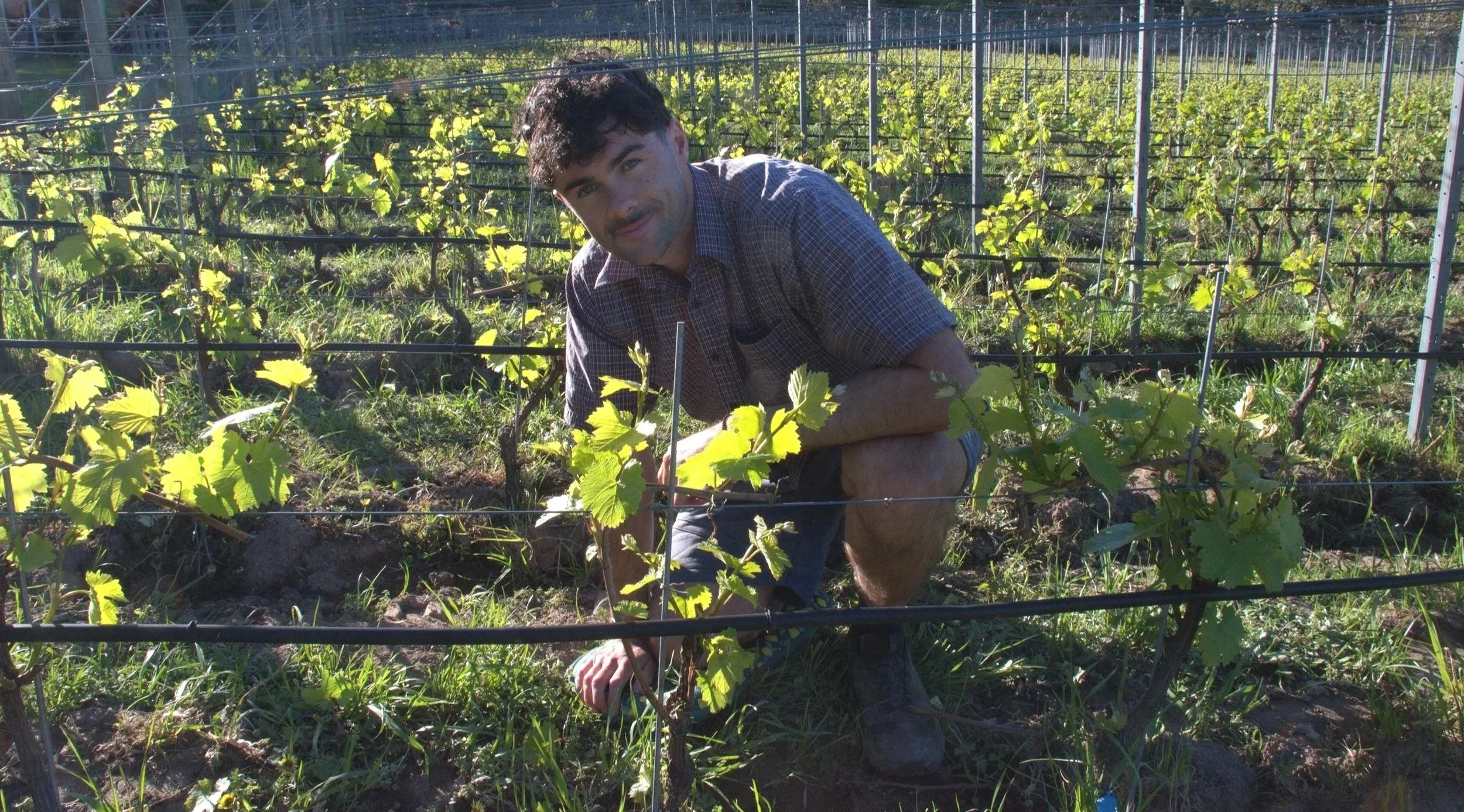
Remy represents the fourth generation of growers at Taradale. Born in the Macedon Ranges, he brings a fresh perspective to the family business, combining his attention to detail and creativity with his long held appreciation of the vines and the surrounding natural environment. Remy holds a Masters of Architecture, finishing a semester in Paris and previously worked in the Bourgogne region of France. From an early age Remy was immersed in the vineyard established by his grandfather, David, on land owned by his great grandfather, Jack, purchased in 1966. His aim is to combine his love of architecture with the art of producing wines that are a true expression of the place he grew up on.
Remy Brown
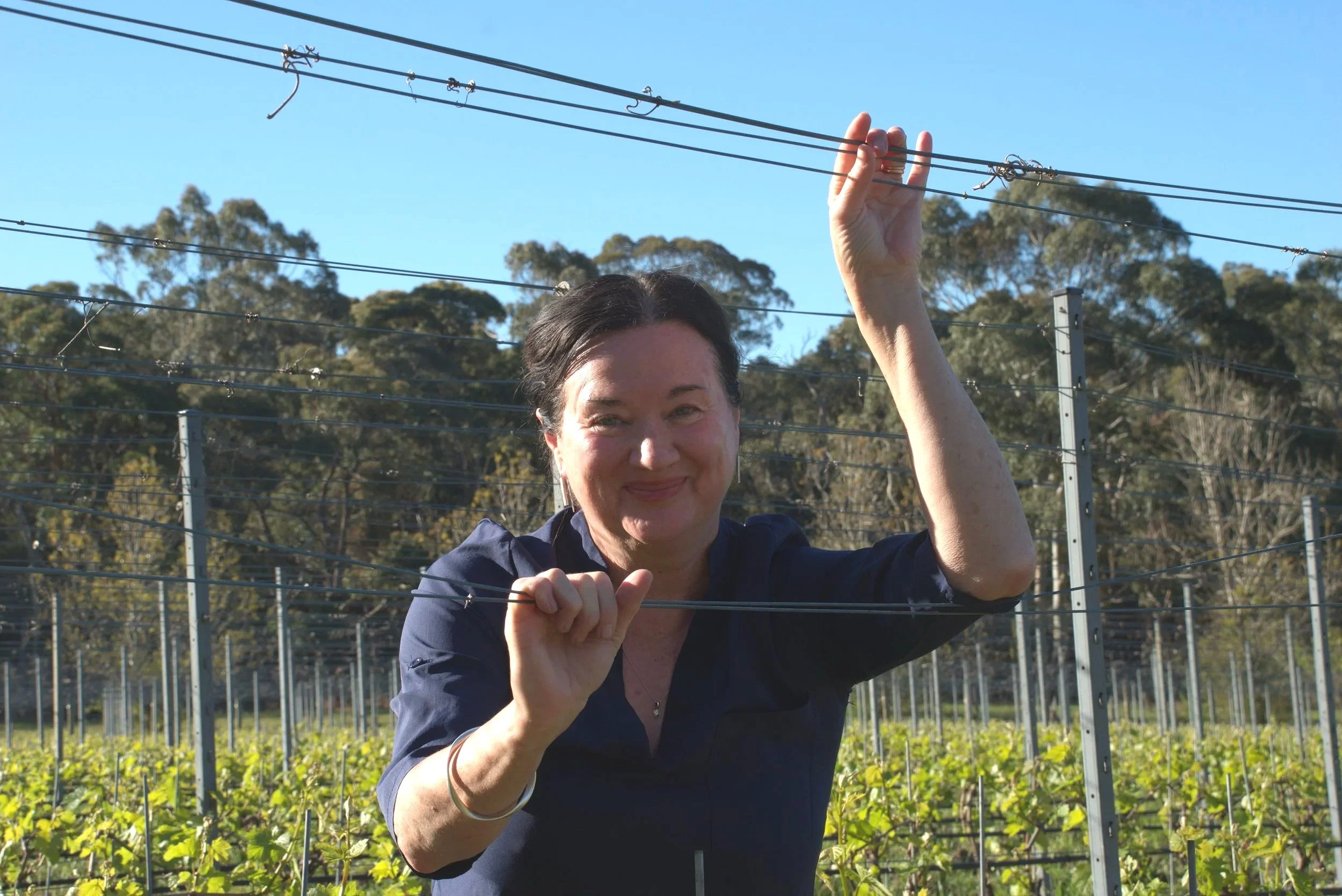
Jo has been part of the family vineyard since 1995, swept-up in the new vision that Tim brings to De la Bêche. Jo applies her extensive scientific expertise to the vineyard and winery, holding a degree in microbiology and a PhD in plant disease resistance. She pays special attention to vine health and careful practices in the winery that ultimately respects the high quality fruit grown in the vineyard. Jo's philosophy in the winery is simple, intervene as little as necessary, producing wines that reflect the seasons and unique character of the Macedon Ranges.
Jo Luck